Imagine this: It’s the end of the month, and despite your hard work as a teacher, your bank account seems to be shrinking faster than you’d like. Managing finances can be a challenge, especially when your salary might not stretch as far as you need it to. But with a few smart strategies, you can turn your paycheck into a tool that helps you reach your goals and live comfortably. Here’s how you can make the most of your earnings as a teacher in India.
Understanding Your Income
Know What You’re Working With
Begin by getting a clear view of your income. This means accounting for your salary, as well as any additional earnings you might have, such as from private tuition or workshops. For example, if you earn an extra ₹5,000 from private tuition, factor that into your overall income to get a complete picture. According to The Economic Times understanding your total earnings helps you plan better.
Budgeting Tips for Teachers
Create a Simple Budget
A budget is like a roadmap for your money. Start by listing all your sources of income and then detail your monthly expenses—things like rent, groceries, and transportation. Tools like spreadsheets or budgeting apps such as Walnut can help you track your spending and stick to your budget.
Track Your Spending
Keeping an eye on where your money goes is crucial. Use an app like Walnut or even a simple notebook to record your expenses. This will help you identify areas where you might be overspending, such as on dining out or shopping, and make adjustments accordingly. For detailed budgeting tips, check out MoneyControl which offers practical advice on managing finances.
Set Financial Goals
Think about what you want to save for—whether it’s a family vacation, a new gadget, or building a rainy day fund. Setting clear financial goals can keep you motivated and make it easier to manage your money. The HDFC Life website provides useful information on setting and achieving financial goals.
Building an Emergency Fund
Why an Emergency Fund is Important
An emergency fund acts as a financial cushion for unexpected expenses like medical emergencies or car repairs. Aim to save enough to cover at least three to six months’ worth of expenses. This helps you avoid dipping into savings or taking on debt when the unexpected happens. For more on the importance of an emergency fund, see ICICI Bank
How to Build It
Start by setting aside a small amount each month. Consider putting this money in a high-interest savings account or a liquid mutual fund to ensure it grows and is easily accessible. Tips on building an emergency fund can be found on ClearTax.
Smart Investment Strategies
Investing Made Simple
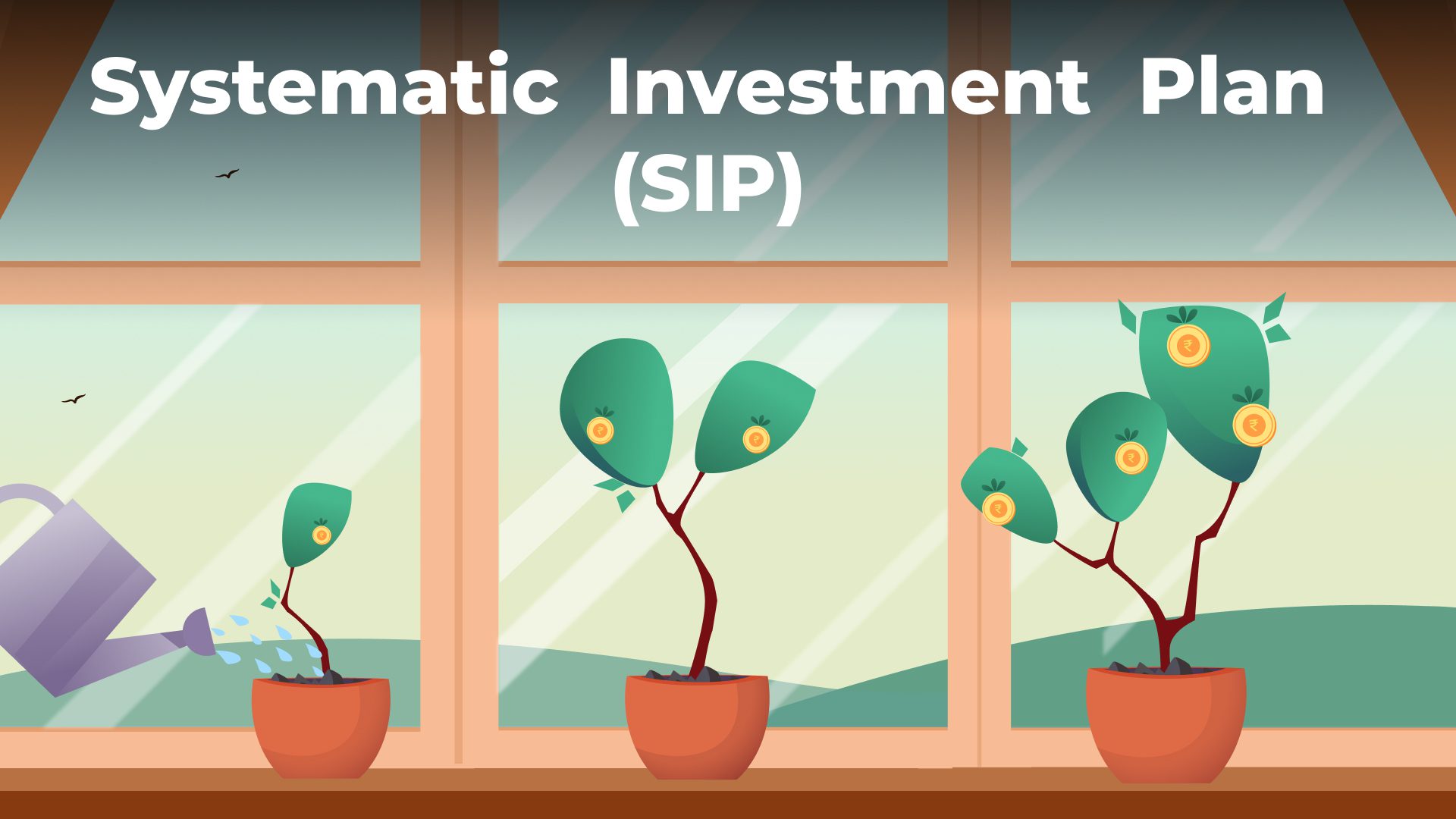
Investing helps grow your money over time. You can explore options like the Public Provident Fund (PPF), National Pension System (NPS), or Equity Linked Savings Schemes (ELSS). Start with a small amount and gradually increase your investment as you become more comfortable. For a beginner’s guide to investing, check out Groww.
Diversify Your Investments
Avoid putting all your money into a single type of investment. Diversify across different asset classes like stocks, bonds, and mutual funds to reduce risk. If one investment performs poorly, others might still do well. Moneycontrol offers insights on how to diversify your investment portfolio effectively.
Maximizing Your Income
Find Extra Ways to Earn
Consider side gigs that fit your schedule. This could be offering private tuition, creating educational content, or even freelance writing. Platforms like UrbanPro can help you connect with students seeking extra classes.
Invest in Your Career
Pursuing further education or specialized certifications can lead to better career opportunities and higher pay. For example, a postgraduate degree in education or a specialized certification can enhance your career prospects. The National Board for Education and Training provides resources for professional development.
Negotiate Your Pay
If you’ve been delivering excellent results, don’t hesitate to discuss a raise or better benefits with your employer. Prepare a list of your achievements and contributions to support your request. Advice on negotiating salary can be found on Times of India
Managing Debt
Handle Debt Wisely
If you have debt, such as student loans or credit card bills, prioritize paying off high-interest debt first. Consider consolidating loans if it lowers your interest rates. RBI provides guidelines on managing and consolidating loans.
Stay on Top of Payments
Create a plan to manage your debt and ensure you make payments on time to avoid additional charges and protect your credit score. Experian offers tips on managing debt and maintaining a good credit score.
Tax Tips for Teachers
Get the Most from Your Taxes
Teachers in India can claim deductions for expenses related to classroom supplies and professional development under Section 10(14) of the Income Tax Act. Keep all receipts and records to maximize your deductions. For more on tax benefits, visit Income Tax India
Consult a Tax Professional
If you’re unsure about your taxes, consult a tax professional who can provide personalized advice and help you navigate deductions and benefits. Taxmann offers resources and professional services for tax planning.
Planning for the Future
Set Long-Term Goals
Plan for significant future expenses, like buying a home or retiring comfortably. Start saving and investing early to build a strong financial foundation. The SBI website offers tools and tips for setting and achieving long-term financial goals.
Estate Planning Basics
Plan for the distribution of your assets by setting up a will. This ensures your belongings are handled according to your wishes. LegalZoom India provides information on estate planning and creating wills.
Conclusion
Financial planning doesn’t have to be complicated or stressful. By understanding your income, creating a budget, and using smart investment strategies, you can make the most of your earnings as a teacher in India. Manage your debt, take advantage of tax benefits, and plan for your future. With these practical tips, you can confidently navigate your financial journey and enjoy the rewards of your hard work.